
 What Louisville, KY, Homeowners Should Inspect After Strong Storms
 What Louisville, KY, Homeowners Should Inspect After Strong Storms
Strong thunderstorms, hail, and high winds are common in Louisville, KY. One evening of heavy weather can leave behind hidden damage that isn’t always obvious the next day. Many homeowners wonder what they should check once the storm passes.
After strong thunderstorms, hail, or high-wind events, Louisville, KY homeowners should inspect their roof, gutters, siding, windows, foundation, and interior ceilings for visible damage, loose materials, water intrusion, or debris buildup. A timely home inspection can help identify common issues before they become larger maintenance concerns.
Inspect The Roof For Wind And Hail Damage
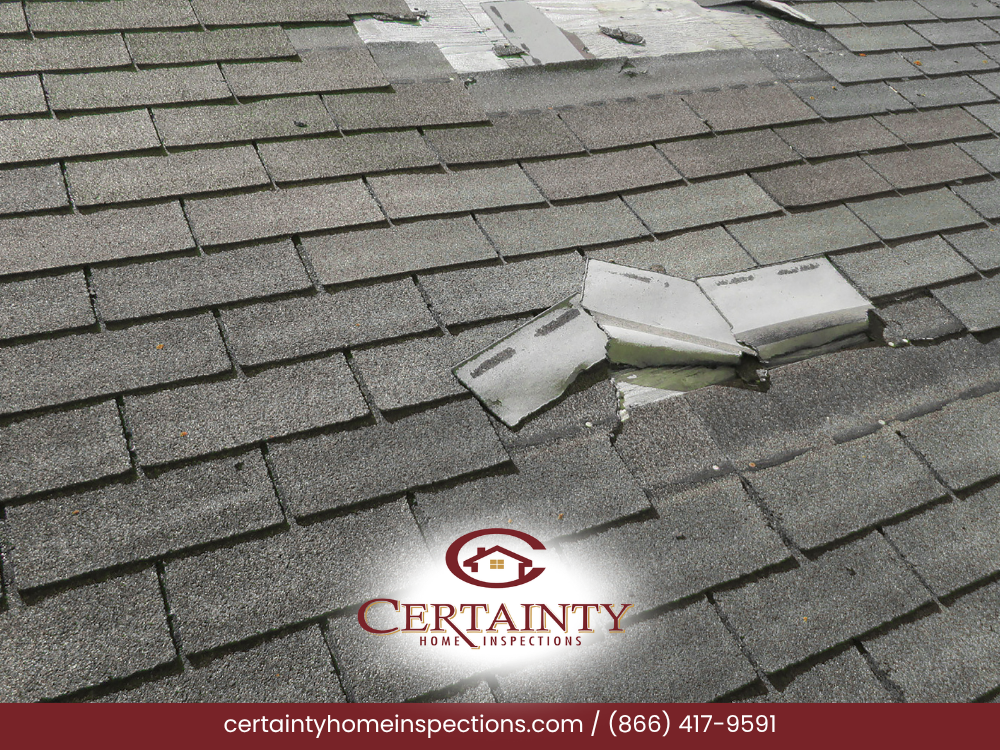
Your roof is the first line of defense during severe weather. In Louisville, fast-moving storms can lift shingles, loosen flashing, or cause hail impact damage.
After a storm, look for:
- Missing or lifted shingles
- Shingles that appear creased or bent
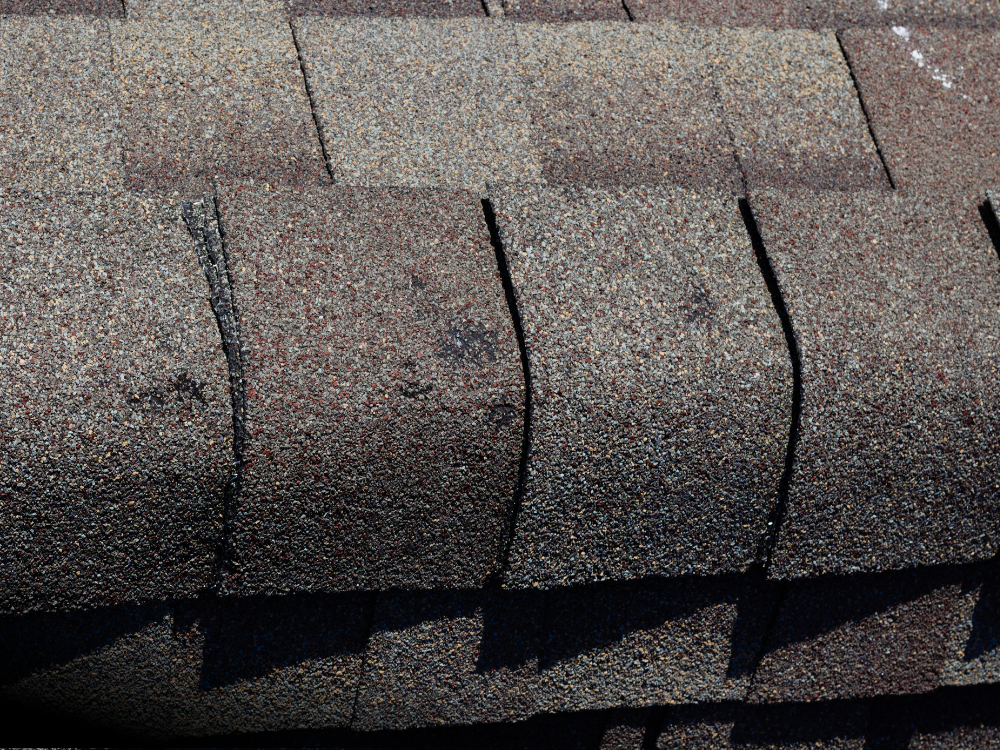
- Dark spots where hail may have removed granules
- Dented metal vents or flashing
- Pieces of roofing material in the yard
Granules are the small, sand-like particles on asphalt shingles. When hail knocks them loose, the shingle can wear faster over time. During a home inspection, inspectors carefully assess these areas and look for patterns that suggest storm-related damage.
Check Gutters, Downspouts, And Drainage
 Check Gutters, Downspouts, And Drainage
Heavy rain can overwhelm gutters, especially if they are already partially clogged. In many Louisville neighborhoods, mature trees add leaves and small branches that collect quickly during storms.
After severe weather, check for:
- Sagging or detached gutters
- Downspouts pulling away from the home
- Shingle granules collecting in gutters
- Water pooling near the foundation
Proper drainage is an important part of routine maintenance. When water is not directed away from the home, it can contribute to foundation settlement or basement moisture over time.
Examine Siding, Windows, And Exterior Surfaces
High winds often carry debris that can strike siding and windows. Even small cracks can allow moisture to enter wall systems.
Walk around your home and look for:
- Cracked or dented siding panels
- Loose trim or soffit (the material under roof overhangs)
- Broken window screens
- Gaps in caulking around windows and doors
Louisville’s mix of older and newer homes means materials vary widely. During a home inspection, we commonly see small exterior openings that allow water intrusion after wind-driven rain.
Look For Interior Signs Of Water Intrusion
Sometimes the first sign of storm damage appears inside. Even a small roof opening can allow water into the attic or ceiling cavity.
After heavy rain, check:
- Ceilings for new stains or discoloration
- Peeling paint or bubbling drywall
- Damp insulation in the attic
- Basement walls for seepage
Inspectors often evaluate attic spaces for moisture patterns, wood staining, and insulation concerns. Early detection helps prevent mold growth and structural deterioration.
When Should Homeowners Schedule A Home Inspection?
Not every storm requires a professional evaluation, but certain conditions make it a wise step.
Consider scheduling a home inspection if:
- You notice visible roof or siding damage
- Hail was large enough to dent metal surfaces
- Water stains appear inside the home
- Your roof is older and hasn’t been evaluated recently
Home inspectors are trained to identify subtle storm-related concerns that may not be visible from the ground. Understanding what inspectors look for helps homeowners make informed decisions about maintenance and next steps.
At Certainty Home Inspections, we focus on educating Louisville, KY homeowners about how weather affects their property and what common issues may develop after strong storms. A thorough home inspection provides clarity and supports long-term home care.
If you live in louisville ky, schedule your home inspection with Certainty Home Inspections today.
Take the next step with confidence. Ready to schedule your inspection? Call 866-417-9591 or visit https://www.certaintyhomeinspections.com/ today!